


Backpacking Stove: Compact, Single Burner Stoves for Outdoors
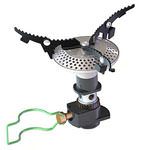
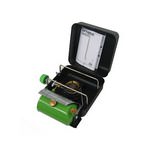
A backpacking stove is a small, compact, and lightweight stove designed for use on camping, hiking, mountaineering, biking, or water sports trips. At Eagle Camping, we sell a complete selection of discount backpacking stoves including canister stoves, propane stoves, butane stoves, liquid fuel stoves, and white gas stoves. These backpacking stoves are engineered by leading manufacturers, including Optimus, Primus, and Stansport, to offer superior performance that stands up to your active lifestyle. Shop our backpacking stoves below or see our complete selection of camping stoves.
Buying a Backpacking Stove & Choosing the Best Fuel Source
When you are buying a backpacking stove the most important thing that you will want to consider is typically the overall size and weight of the stove. When most outdoor enthusiasts buy a backpacking stove for hiking, climbing, mountaineering, canoeing, or rafting, they will select a stove that is compact, rugged, and lightweight. Most backpacking stoves are single burner stoves that can operate on a variety of fuel sources. Determining the best fuel type for your backpacking stove will depend on factors such as:
- Fuel Availability: This is important for long camping trips or trips to foreign countries as some fuel sources can be difficult to find and buy in certain locations.
- Climate & Weather Conditions: This may not be a problem for all individuals buying a backpacking stove. However, since in extreme cold some fuel types are less effective or inoperable, if you plan to camp in extreme weather conditions, you should check that your chosen fuel source will be efficient.
- Maximum Heat Output & Adjustability: Different fuel options can produce different levels of heat and some fuel sources and backpacking stoves offer more control over the heat output. This is not necessarily important if you plan to use your stove simply to boil water, but it can be important for those who will do more precise cooking.
- Upkeep, Maintenance, and Cleaning: Some backpacking stoves utilize cleaner burning fuel sources while others will require regular maintenance and cleaning to keep them in good working order. You should understand the extra cleaning that will be required if you choose a backpacking stove that uses dirtier fuel sources.
Canister Backpacking Stoves: Propane, Butane, Isobutane Fuel Stoves
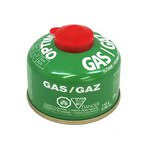
Canister backpacking stoves can typically use propane, butane, and/or isobutane as the main fuel source. Canister backpacking stoves are simple to use as they are fueled by pressurized, gas-filled canisters. Butane and propane canisters are typically easy to locate and inexpensive to buy. Canister backpacking stoves are easy to adjust and control, allowing for precise simmering. Butane, propane, and isobutane are clean burning fuels meaning these stoves will require little maintenance. These backpacking stoves are ideal for spring, summer, and fall camping, but since butane does not perform well in colder weather, butane backpacking stoves are not a good choice for cold climates and camping high in the mountains where temperatures can drop.
Liquid Fuel Backpacking Stoves
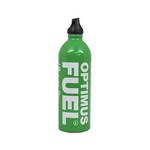
Liquid gas backpacking stoves are fueled by refillable fuel tanks. These tend to burn hotter than cartridge stoves and will work better in more extreme cold and windy weather conditions. These backpacking stoves are designed to work with a variety of fuel sources including white gas, kerosene, diesel, gasoline, and jet fuel, which can be important when traveling internationally. The downside to liquid fuel backpacking stoves is that they are more difficult to use and more expensive than cartridge stoves. Additionally, because some of these fuel sources, including kerosene, diesel, and gasoline, release smoke and other impurities when burned, they may flavor food and will require additional cleaning and maintenance.
Specials
Shop by Category
- Air Mattresses
- Backpacking Backpacks
- Backpacking Stoves
- Backpacking Tents
- Big Camping Tents
- Biometric Gun Safe
- Bradley Smoker
- Brightest Headlamp
- Camping Hammocks
- Camping Stoves
- Canopy Tents
- Daypacks
- Dome Tents
- Gun Safes
- Gunvault
- Handgun Magazines
- Holographic Sight
- Katadyn Water Purification
- Kerosene Lanterns
- Lanterns
- LED Flashlight
- Leupold Mark 4
- Magazine Speed Loaders
- Night Vision Scopes
- Pelican Pistol Case
- Pistol Gun Cases
- Rechargeable Flashlights
- Red Dot Sights
- Rife Scopes
- Sleeping Bags
- Sleeping Pads
- Streamlight Flashlights
- Tactical Flashlight
- Trijicon Night Sights
- Water Bottles